We wrote a while back about the tools that matter, spiritual and practical, and how the objects we carry end up saying something about what we value. Autumn brings that to mind again in a lot of our congregations, where the season means fathers and grandfathers taking the next generation out into the woods before first light.
Most of what goes on those trips gets replaced eventually. One piece usually does not.
The Part That Outlives the Rest
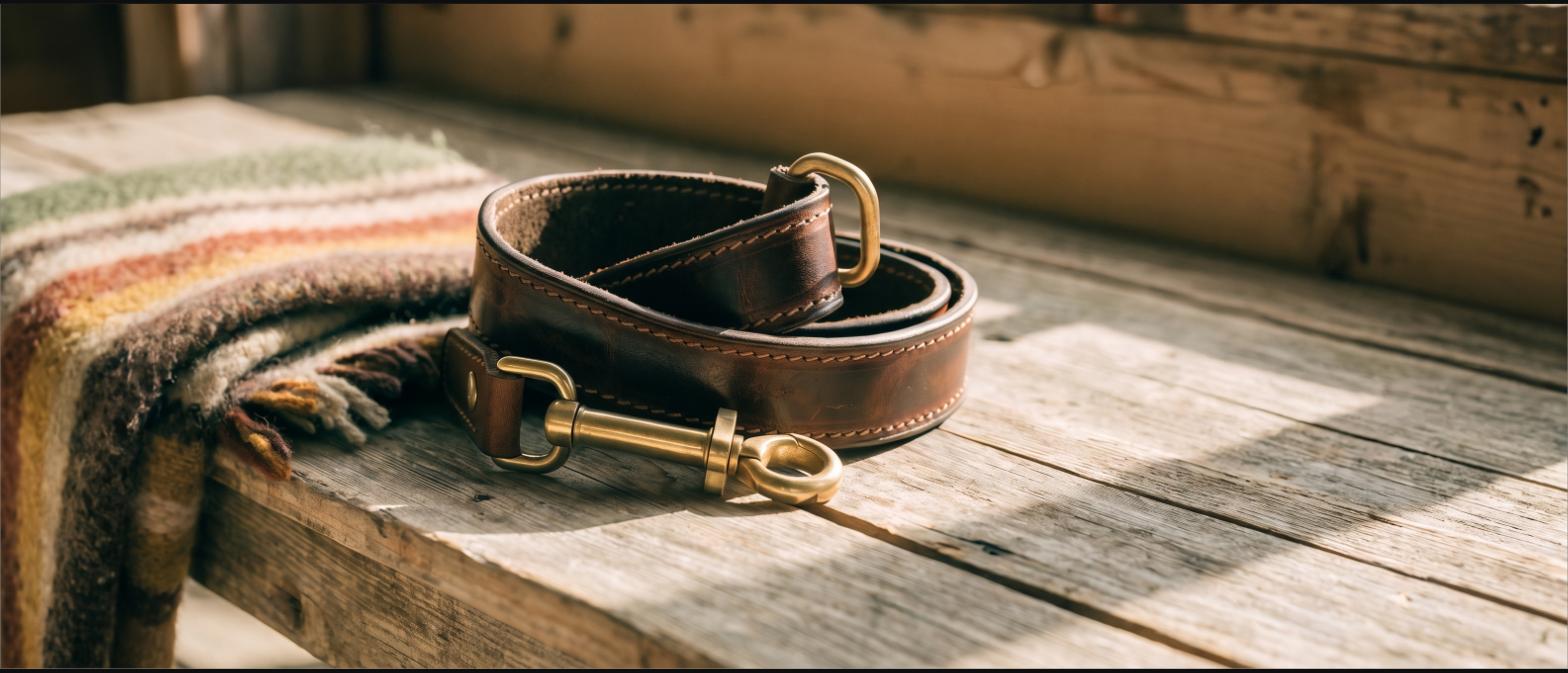
Stocks get refinished, scopes get upgraded, boots wear out. A good leather sling, looked after, simply gets better. It darkens, it softens where a shoulder has pressed it a thousand times, and it takes on the shape of the person who carried it.
That is why so many families end up with one that has been passed along. It is the part of the kit that holds a record of use rather than showing wear as damage.
What Makes One Worth Keeping
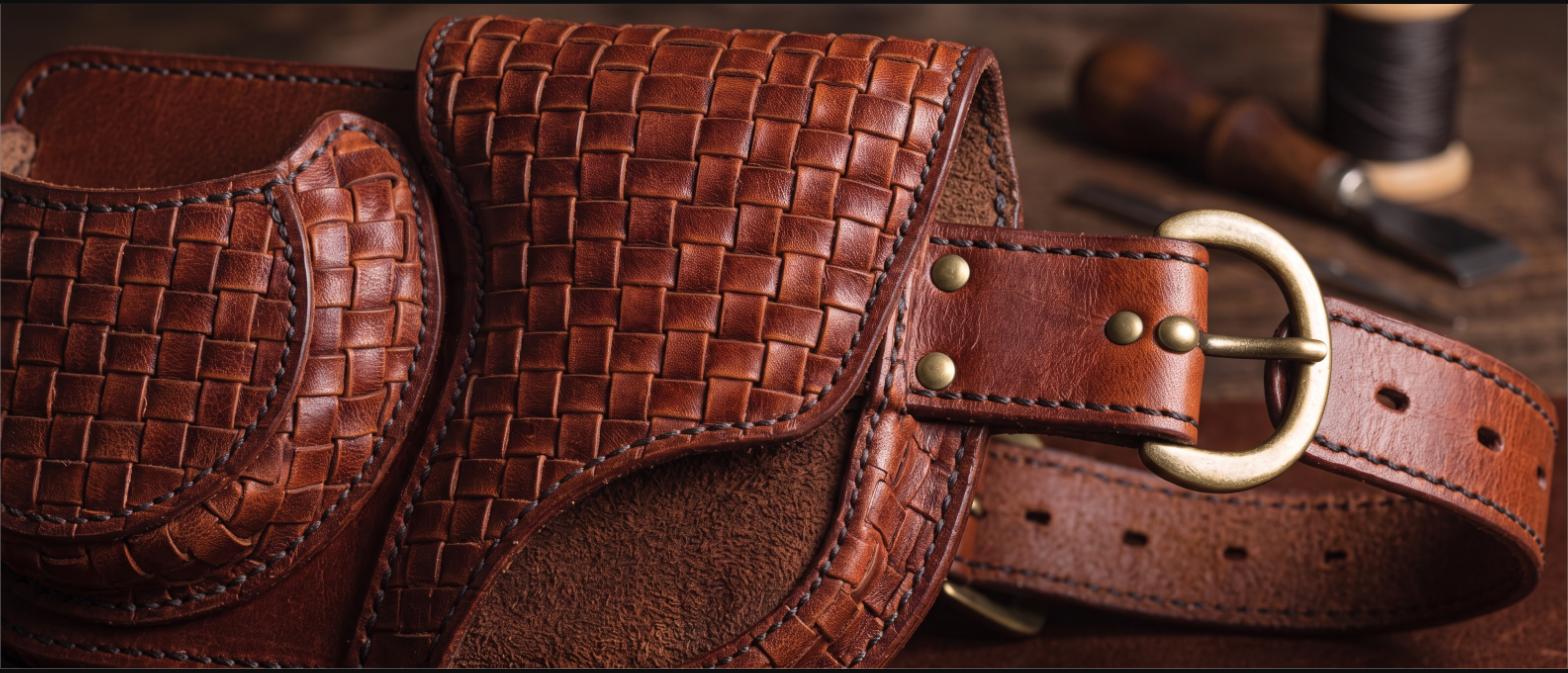
Start with the leather itself. Full-grain, vegetable-tanned hide is the standard, because it takes tooling, holds a finish and does not break down the way split or bonded leather does. Look for a sling cut from a single piece rather than pieced together, and check the thickness: something around eight to ten ounces has enough body to stay flat on the shoulder without being stiff.
Hardware matters more than people expect. Solid brass or stainless will outlast plated steel, which pits and eventually fails at the swivel. Stitching should be even and the edges burnished smooth rather than left raw.
A personalized rifle sling takes that a step further, since veg-tanned leather can be tooled or stamped with a name, initials or a date at the time it is made. That is the detail that turns equipment into something a family keeps.
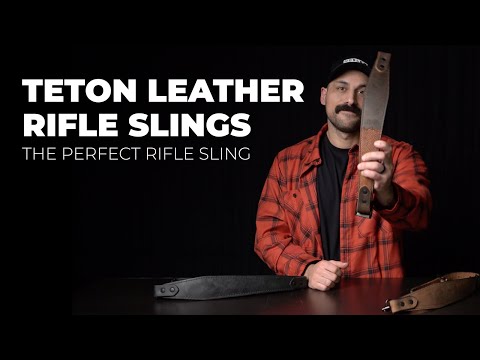
Watch: The Best Rifle Sling in the World? Teton Leather (YouTube)
Looking After Leather

Leather dies from two things: getting soaked and then dried too fast, and being neglected until it cracks. If it gets wet, let it dry slowly at room temperature, well away from a heater or a fire. Condition it a couple of times a year with a proper leather dressing, sparingly, because over-oiling makes it limp and stretches it.
Store it somewhere with a bit of air rather than sealed in plastic. Do that much and fifty years is not an unreasonable expectation.
What We Actually Hand On
Scripture talks a great deal about inheritance, and rarely about money. What gets passed between generations is mostly instruction, memory and example, carried in ordinary objects that happen to have been present.
A strap of tooled leather with a name on it is a small thing. But it will be in somebody’s hands long after the rest of the kit is gone, and it will carry a morning in the woods with it.